Health & Wellness

Dentures, Implant-Retained Dentures and Partial Dentures: Choosing the Right Option for You

Dentures, Implant-Retained Dentures and Partial Dentures: Choosing the Right Option for You

Losing teeth can affect your ability to chew, speak, smile, and feel confident. Thankfully, modern dentistry offers several excellent solutions. Three of the most common options include:

  • Traditional Dentures
  • Implant-Supported Dentures
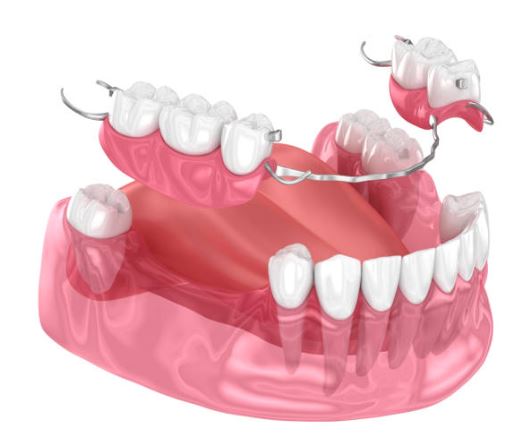
  • Partial Dentures

Each option offers unique benefits and considerations. This guide breaks down the pros and cons of all three so you can choose the treatment that best fits your goals, lifestyle, and budget.

Traditional Dentures

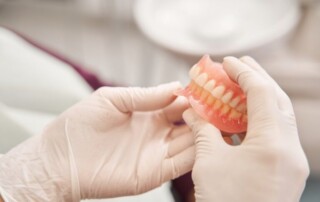
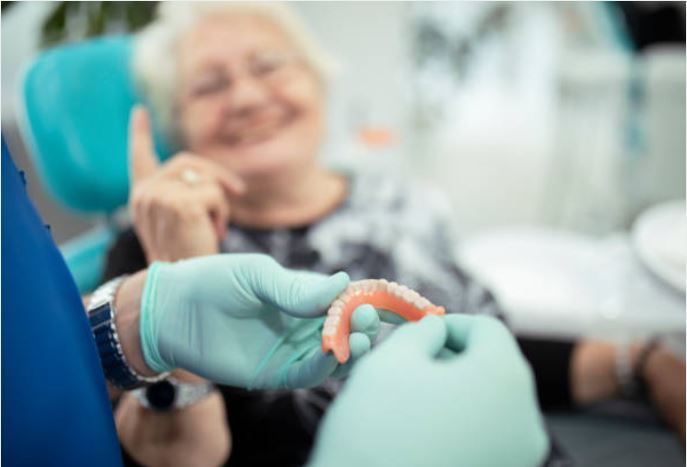
Traditional dentures are removable appliances designed to replace all teeth in the upper arch, lower arch, or both.

  • Affordability: Traditional dentures tend to be the most budget-friendly tooth replacement option.

  • Non-surgical: No surgery or implants are required, making them ideal for patients who want a quicker solution.

  • Faster results: Dentures can often be made within a few weeks, restoring your smile quickly.

  • Restore appearance and basic function: They improve facial shape, support lips and cheeks, and help with chewing and speaking.

  • Easy to adjust or remake: Dentures can be relined or replaced as your mouth changes over time.

  • Can shift or feel unstable: Because they rest on the gums, traditional dentures can move while eating or talking.

  • May require adhesives for extra stability: Some patients use adhesive to feel more secure.

  • Lower chewing efficiency: You may need to avoid sticky or very hard foods.

  • Bone loss continues: Without tooth roots or implants to stimulate the jawbone, bone shrinkage occurs over time.

  • Periodic adjustments needed: As gums and bone change, dentures must be relined to maintain comfort.

Implant-Retained Dentures

Implant-supported dentures attach securely to dental implants placed in the jawbone. They can be snap-on removable dentures or fixed (non-removable) dentures.

  • Superior stability: Implants anchor the denture, preventing slipping, clicking, or movement.

  • Better chewing power: Patients often enjoy an improved diet and can eat more comfortably.

  • Help prevent bone loss: Implants stimulate the jawbone, reducing bone shrinkage over time.

  • More natural feel: Feels closer to natural teeth since the denture attaches to stable implants.

  • Increased confidence: No adhesives needed. Dentures stay in place when speaking, laughing, or eating.

  • Long-term solution: With proper care, implants can last decades or even a lifetime.

  • Higher cost: Implants increase the overall price compare to traditional dentures.

  • Requires oral surgery: Patients must be healthy enough for implant placement.

  • Longer treatment timeline: Healing and integration can take several months before denture placement.

  • Not always ideal for several bone loss: Some patients may need bone grafting first.

  • Periodic adjustments needed: As gums and bone change, dentures must be relined to maintain comfort.

Choosing between traditional dentures, implant-retained dentures, and partial dentures comes down to your oral health, lifestyle, and budget. A dental exam and conversation with your dentist can help you decide which option is best for you. Today’s dental solutions can restore your smile, improve comfort, and help you feel confident again so you can eat, speak, and live more easily.

Dentures, Implant-Retained Dentures and Partial Dentures: Choosing the Right Option for You2026-04-02T11:19:02-04:00

Myths About Dentures: Separating Fact from Fiction

Myths About Dentures: Separating Fact from Fiction

Tooth loss affects millions of adults, yet many people hesitate to explore dentures because of outdated ideas and long-standing misconceptions. The truth is, today’s dentures are dramatically more comfortable, natural-looking, and functional than the bulky models of decades past.

If you’re considering dentures—or simply want to understand your options—we will help break down the biggest myths and reveals what modern dentistry can really offer.

Don’t Let Myths About Dentures Keep You From Restoring Your Smile

With advances in dental technology—including better materials, improved molds and impressions, highly educated and skilled dentists and technicians, and digital methods—dentures today are more realistic, more comfortable, and more secure than ever.

Whether you’re missing a few teeth or need full-mouth restoration, dentures can help you regain confidence, comfort, and oral function — all with a natural look that fits your lifestyle.

If you’re ready to explore dentures or want guidance on your best tooth replacement options, call us at (770) 251-6868 to schedule a consultation. Your dentist can help you choose a solution that restores both your smile and your confidence.

Myths About Dentures: Separating Fact from Fiction2025-12-09T10:51:07-05:00

Why Some Dentures Look Natural — and Others Don’t

Why Some Dentures Look Natural — and Others Don’t

If you’ve ever noticed that some dentures look just like natural teeth while others have that unmistakable “denture look,” you’re not imagining things. The difference isn’t luck—it comes down to three key factors that make all the difference in achieving a natural-looking smile.

Advancements in Denture Design

Gone are the days of bulky, fake-looking dentures. Today’s prosthetics are made with are made with advanced materials like acrylic resin and porcelain, designed to replicate your natural tooth color, shape, and gum tone. These materials reflect light much like real enamel, creating a more authentic smile that looks and feels natural.

Personalized to Fit You

No two smiles are the same—and your dentures shouldn’t be, either. Modern dentures are designed around your unique facial structure. Dentists take precise impressions, measurements, and even photographs to ensure the final result complements your natural features. This personalized approach restores not only your ability to each, but also the natural balance and character of your smile.

Natural-Looking Gums and Teeth

Making dentures look most natural depends on more than just the teeth—the gums matter, too. Many of today’s dentures include textured, naturally pigmented gum bases that look just like real tissue. Slight irregularities in tooth shapes and positions are also incorporated to mimic the individuality of natural teeth.

Implant-Supported dentures for a More Natural Look and Feel

For patients who want a more secure and natural feel, implant-supported dentures are an excellent option. These dentures are anchored directly to the jawbone for added stability—no slipping, no adhesives, and a feel that’s much closer to natural teeth. They also promote better bone health, preserving your facial structure over time.

Creating a Smile That’s Uniquely Yours

At Newnan Denture, we understand that your smile is personal.  That’s why we take the time to design dentures that fit beautifully, function comfortably, and look completely natural. Whether you’re getting your first set of dentures or replacing an older one, we’ll help you achieve a confident, seamless smile that feels like you again.

Ready to love your smile again?
Schedule a consultation today to learn how we can create custom dentures that look and feel natural.

Why Some Dentures Look Natural — and Others Don’t2025-11-13T11:56:10-05:00

Denture Care and Maintenance

Denture Care & Maintenance: Keeping Your Smile Clean, Comfortable, and Confident

If you wear dentures, proper care and maintenance are essential to keeping your smile healthy and comfortable. Whether you have a full or partial denture, following the right cleaning and care routine helps prevent irritation, infection, and bad odors — while also extending the life of your appliance. At Newnan Denture we want our patients to enjoy worry-free smiles, so here’s what the American Dental Association (ADA) recommends for denture care.

How to Clean Your Dentures

Just like natural teeth, dentures need daily cleaning to remove food particles, plaque, and bacteria. Here’s the ADA-approved cleaning routine:

Choosing and Using Denture Adhesives

Denture adhesives can help improve comfort, stability, and confidence — especially for new wearers or those with slightly loose dentures.

Here are some ADA tips for using adhesives safely and effectively:

ADA-Recommended Habits for Healthy Denture Wearers

Maintaining good oral hygiene and regular dental visits are key to long-term comfort and oral health. The ADA recommends:

Keep Your Smile Healthy with Newnan Denture

Proper denture care is about more than cleanliness — it’s about protecting your oral health and confidence. Our team at Newnan Denture is here to help you keep your dentures fitting comfortably and looking their best.

Whether you need a denture adjustment, professional cleaning advice, or are considering a replacement, we’re committed to providing care that’s personal, professional, and focused on your comfort.

Denture Care and Maintenance2025-11-06T10:02:59-05:00

What Happens If You Don’t Replace Missing Teeth?

What Happens If You Don’t Replace Missing Teeth?

Losing a tooth is more common than many people realize—whether it’s from injury, gum disease, or decay. While it may feel like “just a gap,” untreated tooth loss has ripple effects on your entire mouth and even your overall health. At Newnan Denture, we see every day how important timely replacement can be.

Here’s what can happen when missing teeth aren’t replaced:

Why Replacing Missing Teeth Matters for Your Health and Confidence

teeth shifting after tooth loss
jaw bone resorption with tooth loss

How We Can Help

The good news: you don’t have to live with the consequences of missing teeth. Restoring even one tooth helps protect alignment, preserve bone health, and bring back confidence. At Newnan Denture, we offer several solutions to fit your needs:

  • Dentures – Affordable, natural-looking, and custom-made for comfort.

  • Implant-Supported Dentures – A secure, long-lasting option that prevents bone loss and feels closer to natural teeth.

  • Partial Dentures – Designed to replace multiple missing teeth without requiring a full set.

Contact Us

To find out more about our denture and implant and implant services, and how our we can help restore your smile, contact us at 770-251-6868 or schedule an appointment online today.

What Happens If You Don’t Replace Missing Teeth?2025-11-25T16:05:21-05:00

Step by Step Process of Getting Dentures

For many, learning they need dentures can be an emotional and challenging moment. Even losing a few teeth can significantly impact daily life, making the idea of replacing them with artificial teeth feel overwhelming. At Newnan Denture, we understand these concerns and offer expert denture solutions designed to restore comfort, functionality, and a natural-looking smile. With personalized care and advanced techniques, we help patients transition smoothly to life with dentures—enhancing both their appearance and overall quality of life.

If you’re interested in dentures, we will explain below what the denture procedure looks like. There are a number of stages, such as tooth extraction, healing time, permanent denture fitting, and adjustment appointments. But you will find the journey is well worth it when you flash your new smile for the first time.

Are Dentures Right for You? What to Expect During Your Dental Consultation

To determine if dentures are the right solution for your smile, your dentist will schedule a comprehensive consultation. This exam includes a visual inspection and dental X-rays to assess the health of your teeth, gums, and jawbone.

Several factors will influence your denture options, including the number of healthy teeth you have, your preference for removable or fixed dentures, and the thickness of your jawbone. Your dentist will use this information to recommend the best type of dentures tailored to your needs.

Step 1: Initial Consultation

If you’re considering getting new dentures, the journey starts with a professional consultation with your dentist. During this initial visit, your dentist will evaluate your overall oral health and guide you through the best treatment options for replacing missing teeth.

Whether you need complete dentures or partial dentures, your dentist will help determine the right solution based on your unique needs. You’ll also have the opportunity to ask questions and get clear, personalized answers about the denture process, costs, and what to expect.

Step 2: Extraction if Necessary

Tooth removal isn’t always required, but it becomes necessary when decayed teeth are present. If you’re currently missing all your teeth or are simply upgrading your existing dentures, you can move directly to the next phase of the denture process.

For patients who need one or more teeth extracted, your dentist will ensure your comfort with sedation options—such as oral sedation—combined with local anesthesia to numb the treatment area. During the extraction, the dentist will gently loosen the tooth using dental forceps, carefully rocking it to detach it from the jawbone and surrounding ligaments. In some cases, teeth may need to be removed in sections if they’re difficult to extract whole.

If you’re receiving full dentures, your dentist might schedule your tooth extractions in stages. For example, back molars may be removed 6–8 weeks before fitting your immediate dentures (also known as temporary dentures), allowing your gums to heal and ensuring a more accurate fit. Alternatively, all remaining teeth may be extracted in a single visit right before immediate dentures are placed.

Regardless of the method, it’s important to know that immediate dentures typically require at least one adjustment as your mouth heals and reshapes over time.

Step 3: Taking Impressions

The next step in getting dentures is taking dental impressions of your teeth and gums. This essential phase ensures a comfortable and precise fit for your custom dentures. During your initial visit, preliminary impressions are taken—this process typically takes about 30 minutes. Two weeks later, you’ll return for your final impressions, which usually take around one hour.

These impressions are critical to creating dentures that fit securely and feel natural. Your dental professional will carefully capture detailed molds of your upper and lower jaws, including any remaining natural teeth. This allows the dental technician to design dentures that match your mouth’s unique shape and bite for optimal comfort and functionality.

Step 4: Jaw Relation Registration

Approximately two weeks after your final dental impressions, you’ll visit the dental office for a crucial step in the denture process: recording jaw relation records. This appointment lasts about an hour and helps ensure that your dentures align properly for a secure and natural fit.

During this visit, your dentist will carefully measure and document how your upper jaw aligns with your lower jaw. Accurate jaw relation is essential—if this relationship is off, your dentures may shift or feel uncomfortable. This stage allows the dental technician to record the exact positioning of your jaws to create dentures that function properly and fit with precision.

In addition to jaw alignment, your dentist will help you choose the color, shape, size, and quality of your denture teeth to match your natural appearance. The final cost of your denture treatment will also be confirmed during this consultation.

Step 5: Try On Appointment

Once your custom dentures are crafted, you’ll return to the dental office for a denture try-on, also known as a fitting appointment. This important step in the denture process gives you the opportunity to preview your new smile before the final dentures are completed.

During the try-on appointment, your dentist will place trial dentures in your mouth to assess the fit, comfort, and overall appearance. This allows both you and your dental technician to evaluate whether the dentures meet your aesthetic and functional expectations. You’ll be able to see how your dentures look and feel when speaking and smiling, ensuring they align properly and look natural.

If any adjustments are needed—such as changes in the shape, size, or alignment of the teeth—they can be made at this stage before the final dentures are finished.

Step 6: Fitting Permanent Dentures

Approximately two to three months after your tooth extractions, Dr. Patel will schedule a final denture fitting to ensure your new dentures fit comfortably and securely. During this visit, your dentist will carefully evaluate the dentures for any areas causing excessive pressure or irritation on your gums.

It’s common for several adjustment appointments to be needed to achieve the best fit. As your mouth continues to heal and change shape after extractions, fine-tuning the dentures helps ensure long-term comfort, function, and stability. Dr. Patel will work closely with you throughout this process to provide a customized fit tailored to your unique oral structure.

Step 7: Aftercare and Follow-Up

After receiving your new dentures, you’ll return to the dental office for a follow-up visit to ensure they fit properly. During this appointment, your dentist will make any necessary adjustments to help your dentures feel comfortable, secure, and function as intended.

Regular dental check-ups are just as important as the initial denture process. These routine visits help maintain a healthy mouth and allow your dentist to catch and correct any minor issues before they become major problems. Early detection of denture-related concerns can prevent discomfort and reduce the need for more extensive repairs.

Consistent dental care also extends the life of your dentures, ensuring they continue to fit well and support your oral health over time.

Contact Us

To find out more about our dentures, and how our we can help restore your smile, contact us at 770-251-6868 or request a free consultation online.

Step by Step Process of Getting Dentures2025-09-08T09:56:22-04:00